


Why Documentation Habits Determine the Outcome of Injury Claims
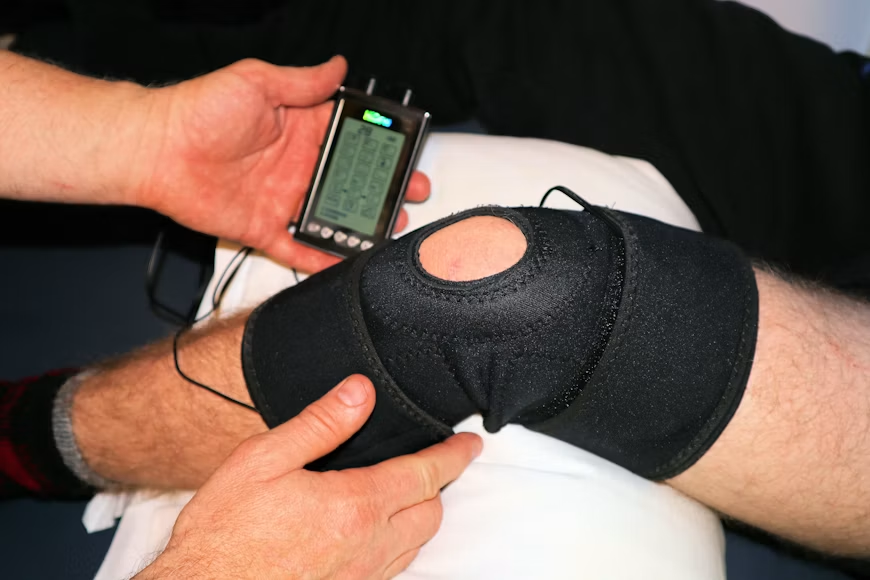
Have you ever questioned why two individuals with near identical injuries have vastly different outcomes?
One claim is approved in weeks. Another claim languishes for two years with an insurer continually requesting “further evidence”.
The difference usually isn’t the injury. It’s the paperwork.
Documentation is the silent game-changer that resolves most injury claims before anyone ever enters a hearing room. An insurer will never see your pain. They will never see the bad days or nights or panic you feel in a parking lot before a work shift. They see a file. If it’s not in that file, it didn’t happen.
Here’s how that plays out…
What’s coming up:
- Why Documentation Decides Claim Outcomes
- The Records That Carry The Most Weight
- Documentation Habits That Quietly Sink Claims
- Building A Record-Keeping Routine That Works
Why Documentation Decides Claim Outcomes
Every injury claim comes down to three issues: what occurred, when it occurred and how severely someone was injured.
Documents answer all three. Memory doesn’t.
When your claim is being processed your injury could be eight months old. No one remembers when you first made an appointment, who the manager you told was, how many shifts you missed in March. Insurers understand this. Which is why they rely on written documentation, and an absence of documentation gets interpreted as an absence of injury.
It’s even truer for a psychological injury claim. A broken wrist shows up on an X-ray. Anxiety, PTSD and burnout don’t. There is no scan that will objectively prove a supervisor yelled at a worker for eight months straight. That kind of evidence has to be painstakingly compiled from GP notes, incident reports and dated personal journals. Which is why anyone dealing with a psychological injury claim is almost always better off seeking proper advice sooner rather than later — visit Fittipaldi’s website for an idea of how these claims are assessed — the habits formed in the first couple of weeks usually set the tone for the entire claim.
These claims are also rapidly increasing in volume. Mental health conditions now account for 12% of all serious claims, data from Safe Work Australia shows. That’s a 161% increase in ten years and the biggest increase across any injury category.
Quantity brings intensity. More claims means more eyes… And more eyes means that file had better be bulletproof.
The Records That Carry The Most Weight
Some paperwork is accorded immediate credibility. Other paperwork is dismissed as white noise.
Here are the ones that actually move the needle.
Medical Records
This is the backbone of any claim.
The initial appointment starts the clock. It provides an objective, contemporaneous record from a professional. That’s precisely the type of evidence an insurer is looking for. The further away your first appointment is from the date of injury, the more they can argue you were injured elsewhere.
Be specific. “Stressed” won’t get you very far. Detailing the sleep deprivation, panic attacks, missed shifts and work conditions that led to them builds a report with substance. Physicians write down what you say, so ambiguous responses equal ambiguous documentation.
Routine visits are important too. Consistent visits mean there’s an ongoing illness. Six months without seeing a doctor means you must be better, justified or not.
Workplace Reports
Incident reports, emails, text messages and formal complaints all become evidence.
A report written on the day of an incident is worth millions of times more than a written statement a year later. It has a date on it, it’s on file, and you can’t accuse someone of it being hindsight. Even a quick email to your boss explaining “today this is what occurred” gives you a time stamp that no one can dispute.
Retaining personal copies is what most overlook. Work systems are wiped clean, accounts are deactivated once you are employed no more. All access is gone. Taking crucial emails to a personal account is ten seconds that could save a claim.
Personal Records
One of the most underappreciated assets you can have is a plain dated diary.
Brief daily notes about symptoms, meds, lost work and impact on daily life fill in what medical notes can’t. Doctors document visits. A diary documents the other 364 days.
The key is consistency, not verbosity. Three truthful sentences daily is better than one long entry every month from memory.
Documentation Habits That Quietly Sink Claims
Claims aren’t usually lost by people doing something crazy or drastic. They get lost by mundane habits we think aren’t hurting at the time.
The most damaging ones are:
- Waiting to see if it settles down — waiting too long allows delay to become the single biggest problem. It creates a hole in the timeline that can’t be made up
- Ignoring pain — playing tough around a physician gets you notes that make your injury seem minor
- Fibbing — providing inconsistent stories to your GP, employer and insurer increases suspicion of everything you say
- Losing access to evidence — emails and reports disappear when the job terminates
- Contradictions on social media — posting pictures of smiling holidays to prove nothing is going wrong
That last point surprises most people. Insurers will look. Just because you took a picture on a rare good day doesn’t mean you’re not permanently disabled. Submitting that as evidence of a full recovery is easy. Trying to explain that in retrospect is far more difficult than it seems.
Missing the mark comes at a price. Nationally across workplaces, the median compensation was $67,400 for a psychological stress claim, compared to $16,300 across all types of serious injury claims. There were 17,600 psychological stress claims in one year alone and claimants were away from work a median of 35.7 weeks.
So much money and time depend on how organized a file is.
Building A Record-Keeping Routine That Works
The good news is this doesn’t need to be complicated.
A workable routine looks like this:
- See a doctor early and describe everything honestly
- Report the incident in writing on the same day where possible
- Keep private copies of every relevant email, message and report
- Write three short diary lines each day about symptoms and impact
- Save every receipt tied to treatment, travel or medication
- Store it all in one folder, backed up somewhere off the work system
Ten minutes a day covers it. That’s the whole system.
It works for a fairly boring but incredibly powerful reason. Records that are contemporaneous, notes taken at the time as opposed to reconstructed later, are given far more weight. If everything is singing from the same hymn sheet, the result is something that’s incredibly difficult to argue against.
Tying It All Together
Determinations about injury claims are made on the basis of evidence. Evidence is merely records that just happen to have been created before someone needed them.
Nobody goes into a dispute expecting they have a diary. That’s exactly why the ones who do anyway end up on top. Filing over 146,700 serious claims per year, often it’s just a matter of who kept records and who didn’t.
Start early. Be specific. Keep copies. Stay consistent.
The file being built today is the case being argued tomorrow.